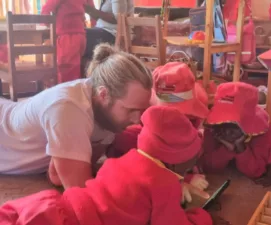

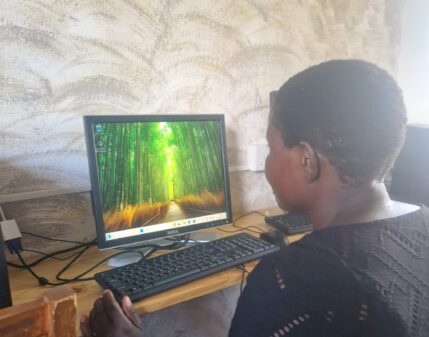
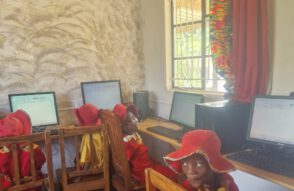
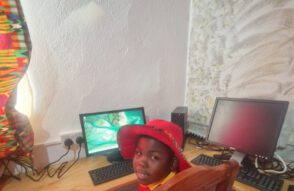
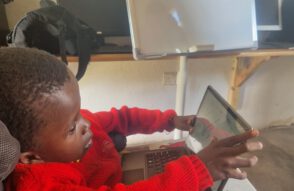
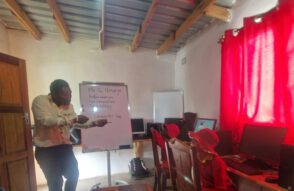
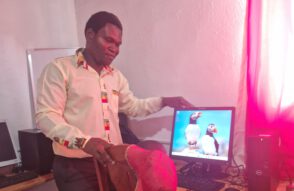
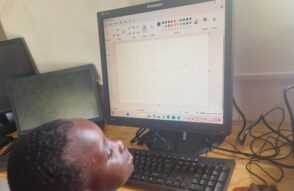
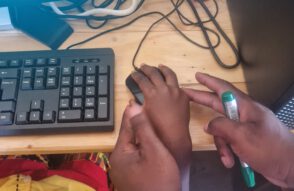
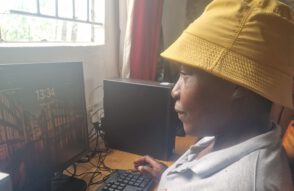
At Bongai Shamwari in Zimbabwe, we are setting up a computer room – not just to teach digital skills, but to give children and the community a conscious and self-determined relationship with media.
We are creating an intergenerational space where knowledge is shared and developed together.
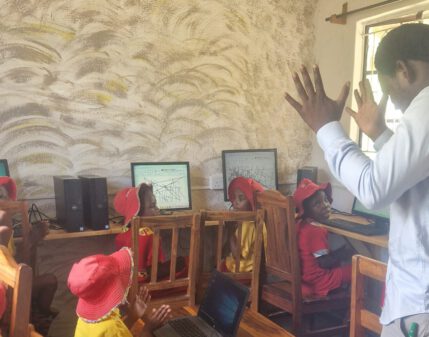

Not just stimulation, but deep understanding through real experiences.

Critical thinking instead of passively scrolling through content.

Focus and independence instead of overstimulation.

Digital media is used purposefully – not as constant entertainment.
• Basic computer and internet skills
• Conscious use of smartphones and media
• Concentration, independence and critical thinking
• Mindful use instead of passive scrolling
• Connecting the real and digital world
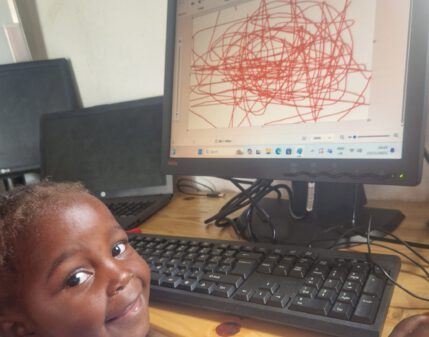
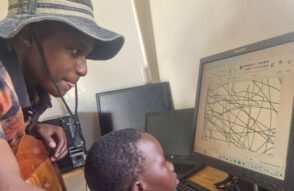
The Computer Lab is deliberately a place for shared learning. The project is accompanied by a trained media educator who ensures conscious and age-appropriate use.
User groups:
• Teachers and the entire team
• Members of the women’s cooperative
• Former students – our “graduates”
Health – Dental Care
Children explore dental care through hands-on, practical experiences — turning learning into habits they can apply every day. Three times a year, we visit the dentist together. Parents are actively involved and supported with clear, easy-to-understand guidance, helping them reinforce healthy routines at home. To make health actionable and sustainable in daily life, we combine practical support with meaningful digital learning:
Water & Sustainability
Children experience water in daily life and learn to use it responsibly — turning awareness into everyday action. Together with parents, we built a 40,000-litre water tank. By collecting rainwater to irrigate our garden, children see natural water cycles in action and understand their role in conserving resources. To make sustainability tangible and part of daily life, we combine real-world practice with meaningful digital learning:
Environment – Litter Collection & Recycling
Children engage with their environment and take on responsibility — developing habits that contribute to a cleaner and more sustainable community. Once a month, children and parents take part in a litter collection activity. Collected waste is then sorted and recycled where possible, helping children understand not just removal, but responsible handling of materials. To deepen understanding and sustain engagement, we connect these experiences with digital learning:
You are currently viewing a placeholder content from Facebook. To access the actual content, click the button below. Please note that doing so will share data with third-party providers.
More InformationYou are currently viewing a placeholder content from Instagram. To access the actual content, click the button below. Please note that doing so will share data with third-party providers.
More InformationYou need to load content from hCaptcha to submit the form. Please note that doing so will share data with third-party providers.
More InformationYou need to load content from reCAPTCHA to submit the form. Please note that doing so will share data with third-party providers.
More InformationYou are currently viewing a placeholder content from Turnstile. To access the actual content, click the button below. Please note that doing so will share data with third-party providers.
More InformationYou are currently viewing a placeholder content from X. To access the actual content, click the button below. Please note that doing so will share data with third-party providers.
More Information